

Introduction
Cacti are fascinating plants that are well-suited for outdoor gardens, particularly in arid or dry climates. They require minimal care and can thrive in harsh conditions. From their striking appearance to their resilience, cacti can make a unique addition to your landscape. But how do you grow them successfully outdoors? This guide provides all the information you need to cultivate thriving cacti in your garden.
What Makes Cacti Suitable for Outdoor Gardens
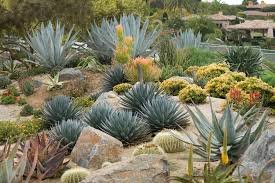
Cacti are naturally adapted to outdoor environments, especially those with dry, hot climates. Their key features include:
- Drought Tolerance: Cacti store water in their thick, fleshy stems, allowing them to survive long periods without rain.
- Low Maintenance: They require little water and care once established, making them ideal for busy gardeners.
- Unique Aesthetic: Cacti add a distinctive, architectural element to your garden with their interesting shapes and vibrant flowers.
- Wildlife Attraction: Many cacti attract pollinators like bees and birds, contributing to the health of your garden ecosystem.
Choosing the Right Cactus for Your Climate
Not all cacti are created equal, and selecting the right type for your region is crucial. Some cacti are more tolerant of cold temperatures, while others need a consistently hot environment. When choosing a cactus, consider:
- Cold Hardiness: Some cacti, like the prickly pear, can withstand frost, while others, like the saguaro, are better suited to warmer climates.
- Sun Exposure: Most cacti thrive in full sun, so choose a location that receives at least 6 hours of direct sunlight daily.
- Soil Type: Well-drained, sandy, or gravelly soil is essential for healthy cactus growth.
Ideal Conditions for Outdoor Cacti
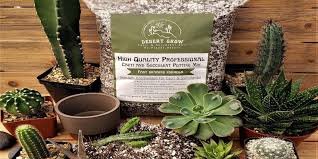
To ensure your cactus thrives outdoors, provide the following conditions:
- Sunlight: Cacti need direct sunlight for at least 6 hours a day. This helps them grow strong and encourages blooming.
- Soil: Use well-draining soil, such as a cactus mix or a blend of sand, gravel, and potting soil.
- Watering: Water deeply but infrequently. Allow the soil to dry out between waterings to prevent root rot.
- Protection: Cacti need protection from extreme cold and frost. Consider covering them during winter or moving them to a more sheltered location if necessary.
Planting and Caring for Outdoor Cacti
Planting cacti in your outdoor garden is straightforward. Follow these steps for successful planting:
- Choose the Right Location: Pick a sunny spot with well-draining soil.
- Planting: Dig a hole twice the size of the cactus root ball. Place the cactus in the hole and backfill with soil. Don’t compact the soil too much.
- Watering: Water the cactus thoroughly after planting, but avoid overwatering. Let the soil dry completely before watering again.
- Fertilizing: Use a low-nitrogen fertilizer once or twice during the growing season to encourage healthy growth.
- Pruning: Remove dead or damaged sections to encourage new growth.
Common Challenges and How to Overcome Them
Caring for cacti outdoors comes with a few challenges. Here’s how to handle them:
- Overwatering: Cacti are prone to root rot if watered too frequently. Ensure the soil is well-drained, and always let it dry before watering again.
- Frost Damage: Cacti are not frost-tolerant in most cases. Protect them during the winter by covering them with frost cloth or moving them indoors.
- Pests: Mealybugs, scale, and aphids can damage cacti. Use insecticidal soap or horticultural oil to manage pest infestations.
The History and Origins of Cacti
Cacti are native to the Americas, especially in the deserts of the southwestern United States, Mexico, and South America. Historically, they were used by indigenous people for food, water storage, and medicinal purposes. Some species, like the saguaro cactus, have cultural significance and are symbols of the American Southwest.
How Cacti Adapt to Extreme Environments
Cacti are uniquely adapted to survive in extreme conditions. They have thick, fleshy stems that store water, allowing them to survive in environments where water is scarce. Their spines reduce water loss and provide protection from herbivores, while their shallow roots allow them to absorb water quickly when it rains.
Types of Cacti Suitable for Outdoor Planting
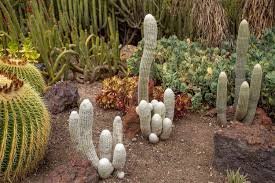
Several types of cacti are well-suited for outdoor gardens, depending on your region:
- Saguaro (Carnegiea gigantea): The iconic tall cactus, often seen in desert landscapes.
- Prickly Pear (Opuntia): Known for its flat pads and colorful flowers, this cactus is ideal for hedges.
- Barrel Cactus (Ferocactus): A spherical cactus with spines that makes a great focal point in the garden.
Each species has unique care requirements, so make sure to select the one that fits your climate and garden style.
Choosing Between Columnar and Globe Cacti for Your Garden
When designing your cactus garden, you’ll need to decide between columnar and globe types of cacti:
- Columnar Cacti: Tall and upright, these cacti (like the saguaro) provide vertical height and are perfect for creating drama in larger landscapes.
- Globe Cacti: These round, compact cacti (such as barrel cacti) are ideal for smaller spaces and can add texture to garden beds or rock gardens.
Cacti and Succulents Understanding the Difference
While cacti are a type of succulent, not all succulents are cacti. The key difference is the presence of areoles, small, round patches from which spines or flowers grow, which is a defining characteristic of cacti. Understanding this distinction helps you select the right plants for your garden.
How to Plant Cactus in Pots and Containers Outdoors
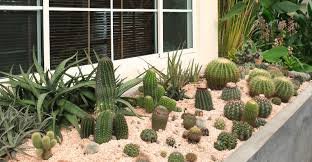
For those with smaller outdoor spaces or for gardeners who want mobility, growing cacti in pots is a great option. Ensure the container has drainage holes and fill it with a cactus-specific potting mix. Keep the pot in a sunny location and water sparingly, allowing the soil to dry completely between waterings.
Preparing Your Garden Soil for Cactus Planting
Cacti prefer soil that drains well. To prepare your garden soil:
- Mix sand, gravel, and perlite with the native soil to improve drainage.
- Avoid heavy clay soil, as it retains too much moisture and can lead to root rot.
- Add a small amount of organic matter, such as compost, to help with soil structure but not too much, as cacti do not thrive in nutrient-rich soils.
Watering Cacti Outdoors Common Mistakes to Avoid
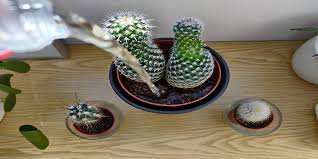
Watering is a crucial part of cactus care. The most common mistakes include:
- Overwatering: Cacti are drought-tolerant and don’t require frequent watering. Let the soil dry completely before watering again.
- Watering too frequently: Water deeply but infrequently. Cacti do best with deep, occasional watering rather than constant moisture.
- Watering at night: Watering in the evening leaves moisture on the cactus overnight, which can lead to fungal issues. Water in the early morning instead.
How Cacti Conserve Water A Unique Adaptation
Cacti are designed to conserve water. Their thick stems store moisture, and their spines help reduce evaporation by providing shade. Cacti also use CAM photosynthesis, which allows them to open their stomata at night, reducing water loss in the hot daytime.
ow to Create a Cactus Garden Design
Designing a cactus garden is all about creating contrast and texture. Combine various sizes and shapes of cacti, and add rocks, gravel, and other drought-tolerant plants like succulents, agave, or yucca. Grouping cacti with similar sunlight and water needs will ensure a healthy and thriving garden.
Using Cacti in Xeriscaping Water Saving Landscaping

Cacti are perfect for xeriscaping, a landscaping technique that minimizes water usage. In xeriscaped gardens, cacti can be used as focal points or as part of a larger design that includes drought-tolerant plants. This type of garden is ideal for water-scarce regions and helps conserve natural resources.
Fertilizing Cacti When and How to Apply Nutrients
Cacti don’t require much fertilizer, but occasional feeding can encourage growth. Use a low-nitrogen fertilizer, and apply it once or twice during the growing season. Over-fertilizing can cause the cactus to grow too quickly and weakly, so it’s essential to use fertilizer sparingly.
How to Propagate Cacti from Cuttings or Offsets
Cacti are easy to propagate through cuttings or offsets (small pups that grow from the base of the cactus). To propagate from cuttings, allow the cutting to dry for a few days to form a callus before planting it in well-draining soil. Offsets can be gently separated from the parent cactus and replanted.
The Role of Cacti in Attracting Pollinators
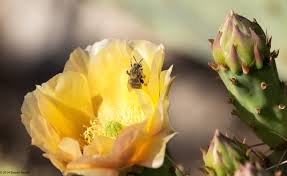
Cacti are excellent at attracting pollinators, including bees, birds, and bats. Many cactus species produce large, colorful flowers that bloom at specific times, especially at night. This is ideal for attracting nocturnal pollinators like bats, while others attract daytime pollinators like hummingbirds.
Understanding Cactus Flowers and Their Blooming Patterns
Cactus flowers are often large and colorful, blooming only for a short time. They typically open at night or early in the morning to attract specific pollinators, like moths or bats. Providing proper sunlight, watering, and soil conditions will encourage your cactus to bloom and produce these stunning flowers.
The Importance of Cactus Roots and How to Take Care of Them
Cactus roots are shallow and spread wide, making them efficient at absorbing water quickly. Healthy roots are essential for cactus survival, so plant your cacti in well-draining soil, and avoid overwatering. Periodically check the roots for signs of rot or damage and remove any affected areas.
How to Deal with Common Cactus Diseases
Cacti are generally resistant to pests and diseases, but they can still suffer from fungal infections, root rot, and pests like mealybugs. To prevent issues, avoid overwatering, ensure proper drainage, and keep an eye out for early signs of disease. If pests or diseases appear, treat the cactus with insecticidal soap or a fungicide.
Winter Care for Outdoor Cacti
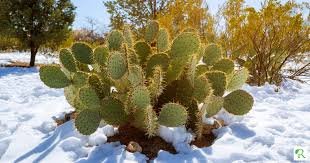
Cacti need protection from frost during the winter months. To care for outdoor cacti:
- Cover them with frost cloths during cold snaps.
- Move them indoors if temperatures fall below freezing.
- Use mulch around the base to insulate roots and protect them from the cold.
Cacti in Urban Gardens Challenges and Benefits
Urban environments provide both challenges and opportunities for growing cacti. Cacti are well-suited to urban settings because of their tolerance for heat and low water requirements. However, they may face challenges such as pollution or limited space. Grow them in containers or raised beds to provide a controlled environment.
Landscaping with Cacti Complementing Other Plants in Your Garden

Cacti work well with other drought-tolerant plants, such as succulents and agave. Pairing cacti with gravel, rocks, and wildflowers creates a beautiful, desert-inspired landscape that requires minimal water and care. Select complementary plants that share similar care needs to ensure a thriving garden.
Table of Contents
- Introduction
- What Makes Cacti Suitable for Outdoor Gardens?
- Choosing the Right Cactus for Your Climate
- Ideal Conditions for Outdoor Cacti
- Planting and Caring for Outdoor Cacti
- Common Challenges and How to Overcome Them
- The History and Origins of Cacti
- How Cacti Adapt to Extreme Environments
- Types of Cacti Suitable for Outdoor Planting
- Choosing Between Columnar and Globe Cacti for Your Garden
- Cacti and Succulents: Understanding the Difference
- How to Plant Cactus in Pots and Containers Outdoors
- Preparing Your Garden Soil for Cactus Planting
- Watering Cacti Outdoors: Common Mistakes to Avoid
- How Cacti Conserve Water: A Unique Adaptation
- How to Create a Cactus Garden Design
- Using Cacti in Xeriscaping: Water-Saving Landscaping
- Fertilizing Cacti: When and How to Apply Nutrients
- How to Propagate Cacti from Cuttings or Offsets
- The Role of Cacti in Attracting Pollinators
- Understanding Cactus Flowers and Their Blooming Patterns
- The Importance of Cactus Roots and How to Take Care of Them
- How to Deal with Common Cactus Diseases
- Winter Care for Outdoor Cacti
- Cacti in Urban Gardens: Challenges and Benefits
- Landscaping with Cacti: Complementing Other Plants in Your Garden
- Conclusion
Conclusion
Cacti are a fantastic choice for outdoor gardens, especially in dry or hot climates. Their unique beauty, low maintenance, and water-conserving features make them ideal for drought-tolerant landscapes. By understanding their care needs, choosing the right species, and creating the perfect environment, you can enjoy a thriving cactus garden for years to come. Whether you’re designing a small urban garden or a large desert-inspired landscape, cacti can add both aesthetic appeal and practicality to your outdoor space.